Mastering the Fingerprint Line Illustration Concept
There is a specific kind of visual language that speaks volumes without shouting. It’s the kind of detail that separates a generic mockup from a professional brand asset. I’m talking about the subtle power of line art, specifically when applied to complex, organic shapes like human identity. If you have been searching for a versatile graphic element that bridges the gap between technology and humanity, the Fingerprint Line Illustration Concept is a design asset you need to understand. This isn't just a random doodle; it is a sophisticated visual metaphor for security, individuality, and modern connectivity.
At its core, this concept revolves around the visual representation of a fingerprint using clean, continuous lines. It strips away the messy reality of ink smudges and replaces it with a sleek, vector-based aesthetic. The personality of this style is inherently minimalist and futuristic. It relies on negative space and the flow of curves to create a sense of movement. Whether you are a freelancer building a portfolio or a startup founder defining your brand voice, this illustration style offers a unique blend of technical precision and organic flow. It works beautifully as a background texture, a central hero image, or a subtle watermark that reinforces a message of trust.
Visual Characteristics and Style Appeal
When we look at the Fingerprint Line Illustration Concept, we see more than just a swirl. We see a deliberate use of modern typography principles applied to illustration. The lines are usually uniform in weight, creating a rhythm that guides the eye. This style often leans into a "blueprint" or "wireframe" aesthetic, which makes it perfect for tech-related industries. However, because the fingerprint is a universal human symbol, it retains a warmth that purely geometric shapes lack. It is a creative font for the eyes—a way to type out a feeling of authenticity.
The appeal lies in its scalability. Because the file typically includes vector formats like AI, EPS, and SVG, you can scale this illustration from a small mobile app icon to a massive billboard without losing a pixel of quality. This is crucial for maintaining brand identity across different mediums. You aren't just buying a picture; you are investing in a premium font of visual assets that can be manipulated, recolored, and integrated into complex layouts.
Strategic Applications for Designers and Entrepreneurs
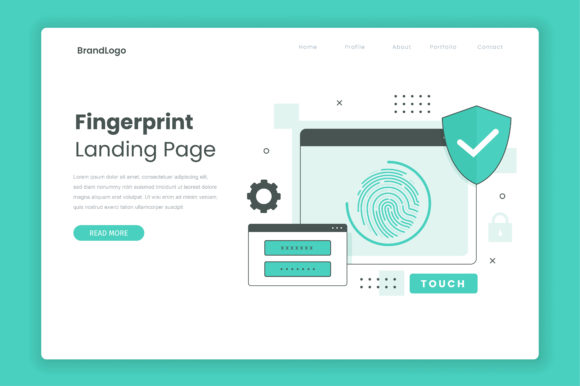
Where does this concept work best? The short answer is almost everywhere, but let's break down the practical applications. For web design, this illustration is a game-changer. It works exceptionally well on landing pages for cybersecurity firms, fintech apps, or legal services. It instantly communicates "verification" and "safety." You can use the PNG files with transparent backgrounds to overlay the fingerprint onto gradients or photography, creating depth in your UI.
In the realm of branding and logo design, the fingerprint serves as a strong secondary mark or a pattern element. Imagine a high-end consultancy firm using a subtle, watermark-style fingerprint on their letterheads. It adds a layer of professionalism and intrigue. For packaging design, particularly in the health, beauty, or biotech sectors, this line art suggests that the product is personalized or scientifically formulated. It’s a visual cue that says, "This was made for you."
Don't overlook editorial design and publishing. If you are a blogger or a content creator writing about identity, self-improvement, or data privacy, the Fingerprint Line Illustration Concept makes for a compelling header image. It breaks up the text and offers a visual rest stop that is thematically relevant. For social media graphics, the high contrast of the lines ensures the image pops even on small screens, driving higher engagement rates.
Influence on Brand Perception and Hierarchy
Visual hierarchy is about telling the viewer what to look at first. When you incorporate this illustration style, you are establishing a mood of authority. A brand that uses a fingerprint line illustration often appears more established and trustworthy. It taps into the psychology of identity—suggesting that the brand values individuality and precision.
Consider the difference between a generic stock photo of a "lock" icon versus a detailed, artistic line rendering of a fingerprint. The fingerprint feels more human. It bridges the gap between the user and the technology. For mobile applications, specifically in the login or onboarding screens, this imagery reduces user friction. It visually explains the function (biometric login) while keeping the interface clean. This is where readability and design intersect; the illustration supports the function without cluttering the UI.
Practical Guidance for Implementation
When you acquire a file package that includes AI, EPS, JPEG, PNG, and SVG formats, you have total control. Here is how to approach using them effectively:
- Evaluating Project Fit: Ask yourself if your project requires a human touch. If you are designing for a cold, industrial steel company, this might be too organic. But for finance, health, security, or personal branding, it is a perfect match.
- Testing Font Pairings: The illustration acts as a visual anchor. Pair it with clean, sans-serif typefaces to maintain that modern look. A heavy, geometric sans serif font complements the thin lines of the illustration. Alternatively, pairing it with a sophisticated serif font can create a "classic meets future" vibe.
- Color and Contrast: While the files are often black or monochromatic, don't be afraid to recolor the vectors. A neon gradient applied to the fingerprint lines can turn a static image into a vibrant piece of digital art.
- Licensing: Always review the license. If you are creating commercial assets for a client, ensure the license covers that usage. Most premium asset packs allow for this, but it is the mark of a professional to double-check.
Ultimately, the Fingerprint Line Illustration Concept is more than just a trend; it is a versatile design solution. It allows marketers, crafters, and small business owners