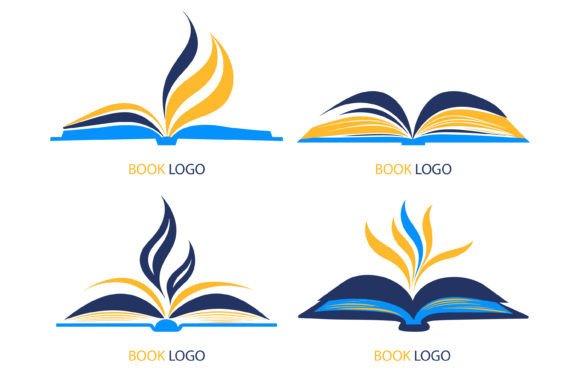
The Ultimate Guide to Book Icon Vector Illustration
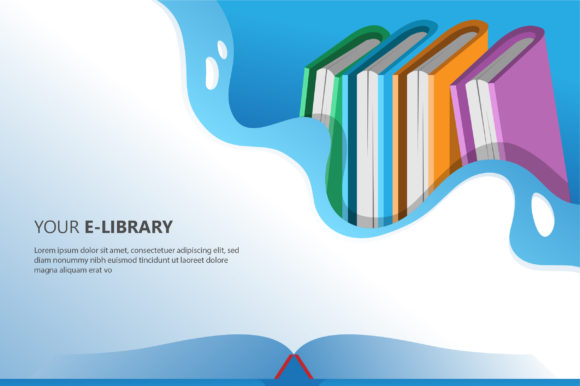
In the world of digital design, visual language is everything. Whether you're building an app, designing a website, or crafting a presentation, the icons you choose are the silent communicators of your brand's intent and quality. A well-designed icon does more than just decorate a space; it guides, informs, and builds trust. This is where the Book Icon Vector Illustration set becomes an indispensable asset for creators across all fields.
This isn't just another collection of generic symbols. It's a thoughtfully crafted library of open book icons and related graphics, designed as 100% vector illustrations. The appeal lies in their clean, modern line art style. They strike a perfect balance between being detailed enough to be recognizable and minimalist enough to be versatile. The personality is one of clarity, professionalism, and approachability—exactly what you want when representing knowledge, stories, or documentation.
Where These Icons Shine: Real-World Applications
The true value of a Book Icon Vector Illustration lies in its incredible range of use. These aren't just for bookstores or publishers. Consider these practical scenarios where a premium, well-designed icon set makes all the difference:
- Mobile Apps & Websites: Use an open book icon for a "Help" section, a "Blog" link, or a "Resources" page. Their scalability ensures they look crisp on any screen, from a smartphone to a 4K monitor.
- Editorial & Publishing Design: Perfect for chapter headings, page margins, or as a recurring visual motif in a magazine layout or digital newsletter, adding a touch of curated elegance.
- Brand Identity & Logo Design: A stylized book icon can become the cornerstone of a logo for a consultant, author, coach, or educational platform, conveying authority and insight.
- Marketing & Social Media Graphics: Create engaging infographics, social media posts, or email headers. A consistent icon style strengthens brand recognition across all your marketing materials.
- Packaging & Print Projects: Ideal for bookmarks, notebook covers, subscription box designs, or any print collateral where a sophisticated, thematic element is needed.
- Presentations & Templates: Replace bullet points with these icons to make your slides more visually engaging and professional, improving information retention for your audience.
The included EPS and JPEG file formats in the zip file ensure you're covered for any project. The vector EPS is your best friend for editing and scaling without any loss of quality, while the JPEGs are ready for quick use in presentations or social media mockups.
The Design Impact: More Than Just a Pretty Picture
Integrating a cohesive icon set like this does more than fill visual space. It directly influences how your audience perceives and interacts with your content. Here’s how a strategic approach to icons like the Book Icon Vector Illustration can elevate your work:
- Visual Hierarchy & Readability: Icons act as visual anchors. They break up text, guide the eye, and make complex information easier to scan. A well-placed book icon next to a list of features instantly communicates the concept of "learning" or "detailed information."
- Brand Perception & Professionalism: Consistency is key to looking polished. Using a unified set of icons across your website, app, and marketing materials signals attention to detail and builds a cohesive brand identity. It moves your project from "DIY" to "professionally designed."
- Audience Engagement: Visuals are processed faster than text. The right icon can create an immediate emotional connection, making your interface feel more friendly and intuitive. This can reduce bounce rates and encourage users to explore further.
- Universal Understanding: The book is a universally recognized symbol. By using a clean, modern interpretation of it, you leverage that instant recognition without relying on clichés, ensuring your message is clear to a global audience.
Making the Right Choice: A Practical Checklist
Before you integrate any design asset, it's wise to evaluate its fit. Here’s a practical guide to choosing and using the Book Icon Vector Illustration set effectively:
- Evaluate Your Project's Tone: The minimalist, line-style of these icons suits modern, clean, and professional aesthetics. They would complement a sans serif font or a serif font with clean lines in your web design or editorial design. If your project is highly ornate or vintage, you may need to adapt the icons or choose a different style.
- Test for Readability: Scale the icons to the smallest size you plan to use. Do the details remain clear? The vector format guarantees they will, but always check in context with your text.
- Consider Font Pairings: Icons should complement your typography. A bold display font for headlines can be balanced by these delicate icons. If you're using a script font or handwritten font, ensure the icon's clean lines provide a nice contrast and don't compete for attention.
- Review Licensing for Commercial Use: Always confirm the license allows for your intended use, whether it's for a personal blog, a client project, or merchandise. This set is noted as suitable for commercial projects, which is a significant advantage.
- Leverage the Formats: Use the EPS file in Adobe Illustrator or similar software to edit colors, line weight, or combine elements. Use the JPEG files for quick mockups or in applications where vector editing isn't possible.
Ultimately, the Book Icon Vector Illustration set is a prime example of a creative font asset that transcends its basic function. It’s a tool for storytelling, brand building, and creating more effective, engaging, and professional digital and print experiences. By choosing quality, versatile design assets, you're not just decorating—you're communicating with clarity and intention.